
If there is a thread that provides coherence to Donald Trump’s mad emperorship, it is the frenetic invention of new, evermore dramatic diversions: no week can be allowed to pass without new melodrama that erases the chaotic melodramas of weeks past. Nor can a week be allowed to pass without the seeds being sown for next week’s melodramas.
This week it is Iran, and the computer-gaming unreality of a scorched-earth US-Israeli bombardment that has generated convulsions across economies in the Persian Gulf. After dropping billions of dollars’ worth of ordnance on Iran, Trump “totally demolished” oil refining facilities on Kharg Island – but “may hit it a few more times just for fun”.
But the invasion has served its purpose. The distraction has diverted the world’s media from the tragic conflict in Ukraine and the dire crises persisting in Gaza. Even Venezuela, Greenland and the improbable Board of Peace have seemingly disappeared from view. The Jeffrey Epstein files? Immigration and Customs Enforcement shootings? All boring old news.
The fresh seeds of next week’s distractions are being sown on another of Trump’s favourite disruptive pastimes – not an assault on Cuba which is maybe being queued for later – but on trade and tariffs. They are seeds that will be highly relevant during next week’s World Trade Organization Ministerial, along with the start of US negotiations with Mexico and Canada over renewal of their trilateral trade agreement.
After the US Supreme Court ruled Trump’s “Liberation Day” tariffs to be illegal, prompting a marvellous legal storm over how billions of dollars of tariffs will be refunded, US Trade Representative Jamieson Greer has unveiled a slew of Section 301 investigations intended to seed a whole new generation of tariff income for federal coffers.
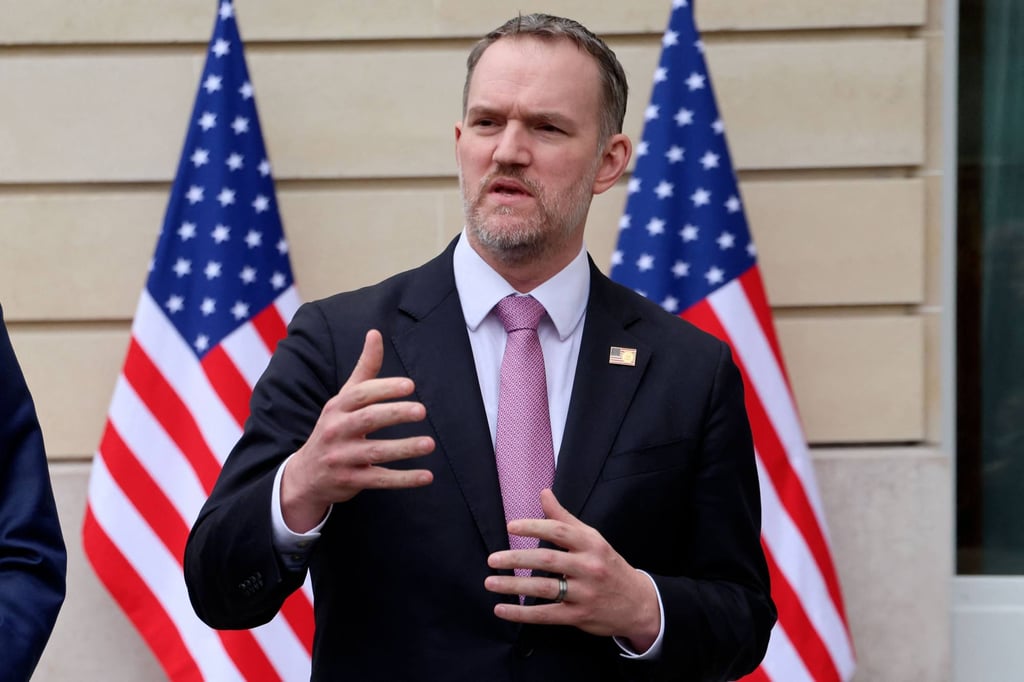
New tariff wars may not quite provide the drama of bombs falling in Lebanon or Tomahawk missiles flattening a girls’ school. However, for millions of businesses involved in international trade, the investigations will generate angry passions and fresh trade uncertainties.


