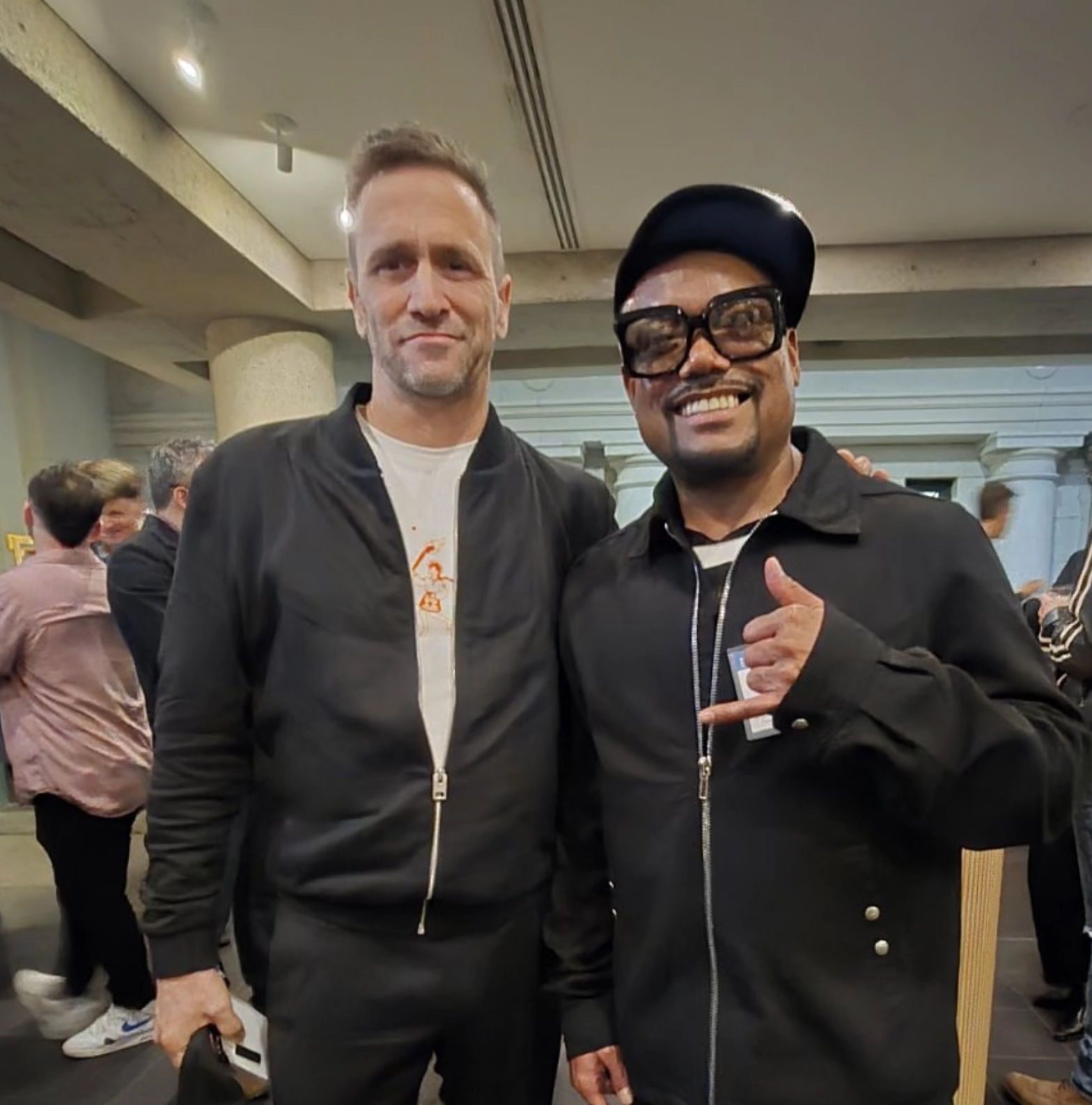
Apl.de.Ap is helping champion a new vision for agriculture – one built around natural capital, regenerative farming, and technology-enabled farmer empowerment.
Back in the soil
Today, through OMTSE Ventures, he is helping champion a new vision for agriculture – one built around natural capital, regenerative farming, and technology-enabled farmer empowerment.
For readers unfamiliar with the concept, OMTSE is not simply another agricultural software platform. Its broader mission is to help farmers unlock the economic value of sustainable land stewardship by combining technology, financing models, and environmental intelligence.
In simple terms, it seeks to measure and monetize what traditional agriculture often ignores: healthier soil, biodiversity restoration, carbon capture potential, and sustainable ecosystem management.
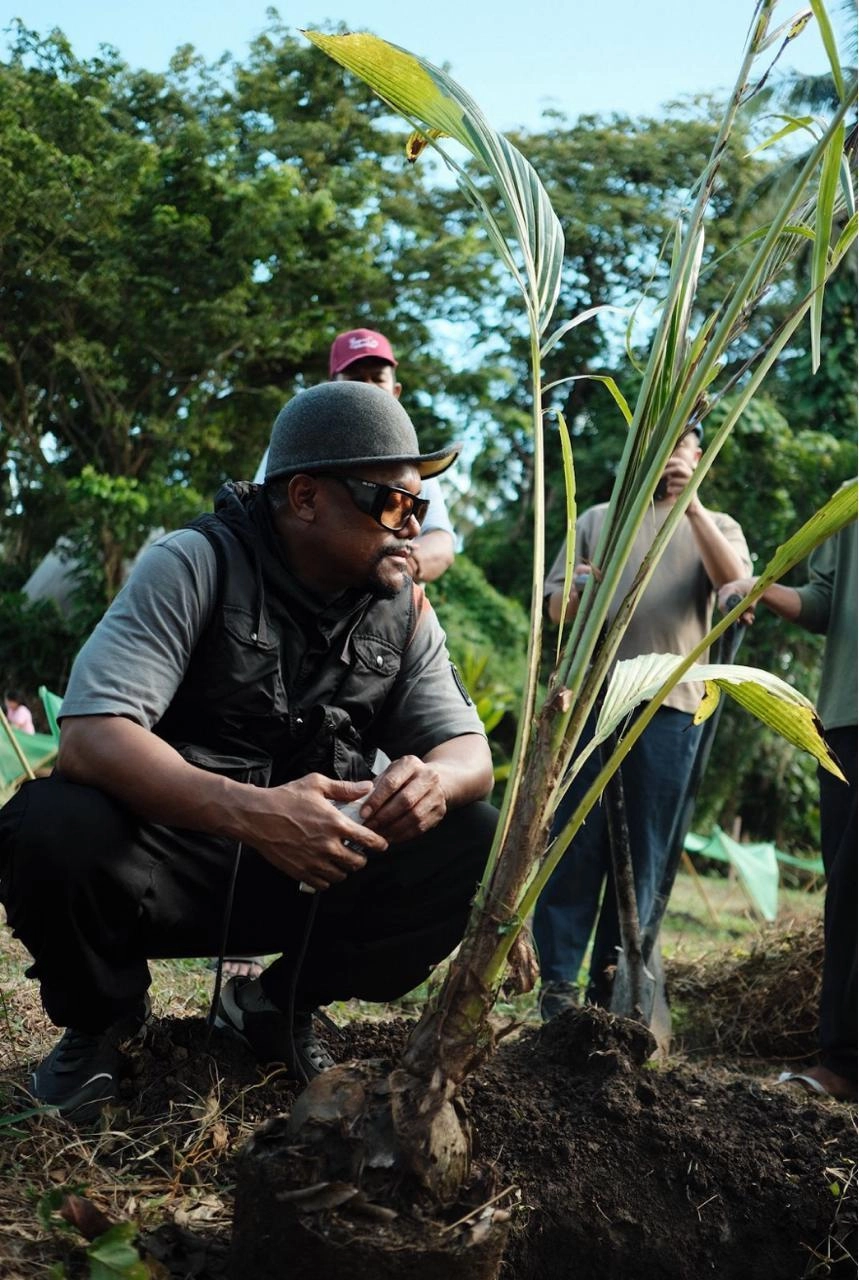
Photo by OMTSE Ventures. That matters because most farmers are rewarded for production volume – not for protecting or improving the natural systems that make farming possible in the first place.
OMTSE’s thesis is different: that restoring land and farming sustainably should not be a financial sacrifice – it should become a competitive economic advantage.
And in Apl.de.Ap’s case, that mission begins in the Philippines.
To understand why this matters, one has to understand the problem Apl.de.Ap is trying to solve.
The Philippines is a country where agriculture remains deeply important, yet many farming communities remain economically fragile.
Smallholder farmers often face climate instability, land degradation, limited access to financing, weak supply chain economics, and limited access to modern agricultural tools. Typhoons, flooding, shifting weather patterns, and global pricing pressures only deepen those vulnerabilities.
For many farmers, survival – not growth – is the operating model.
This is why Apl.de.Ap’s involvement feels authentic rather than performative.
This is personal.
He understands these communities not as an outsider investor, but as someone whose own roots began there.
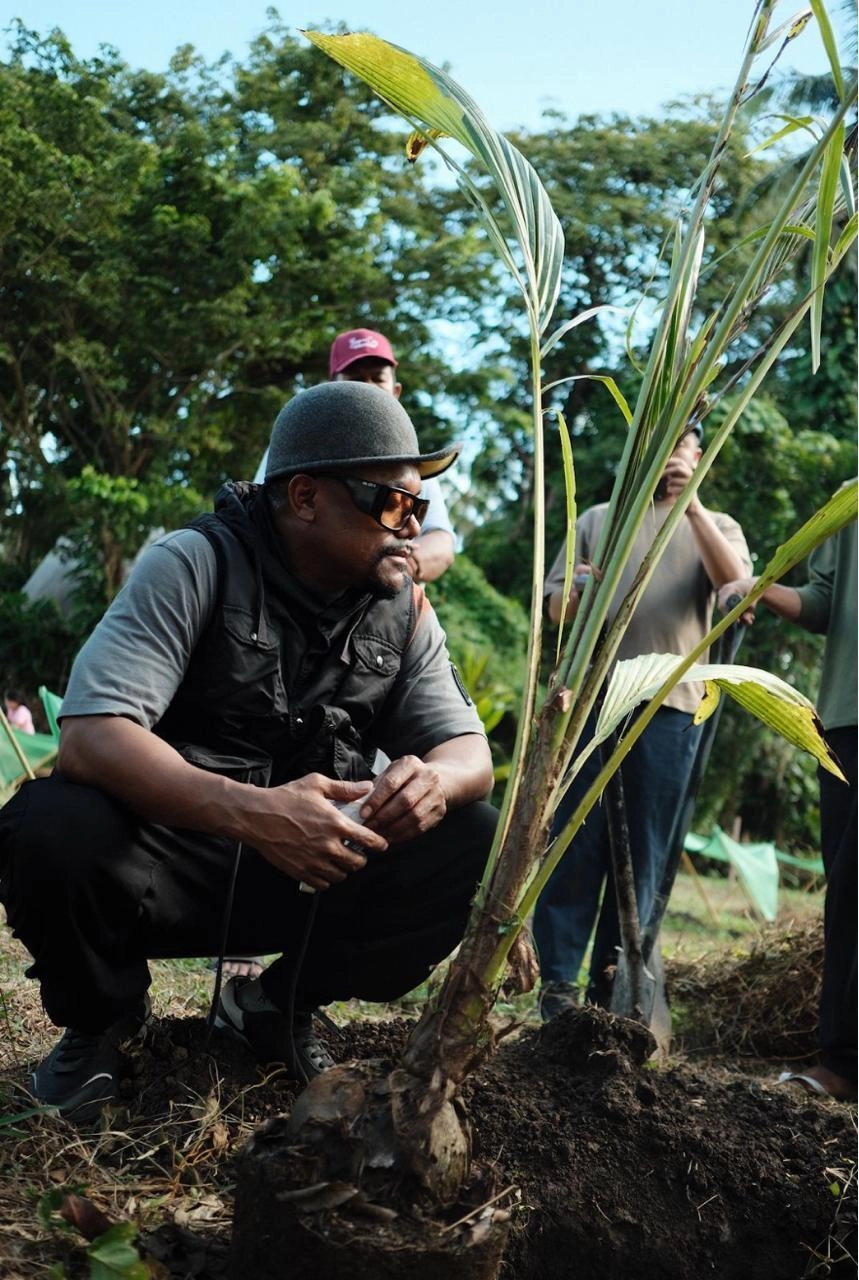
Photo by OMTSE Ventures. OMTSE’s ambition is to help create a smarter, more sustainable agricultural model – one where farmers are equipped with better technology, improved access to financing, and economic incentives aligned with long-term land health rather than short-term extraction.
And importantly, Apl.de.Ap emphasized that this is not intended as a Philippines-only solution.
The platform, he explained, is designed to adapt to the unique needs of each country.
That is where Ukraine enters the conversation.
Ukraine’s agricultural opportunity is bigger than reconstruction
As I listened, I could not help thinking about Ukraine.
At first glance, the Philippines and Ukraine could not seem more different.
One is a tropical island nation vulnerable to climate extremes.
The other is Europe’s agricultural powerhouse, now navigating the brutal realities of war and reconstruction.
But beneath those differences lies a shared question:
How do we create a stronger future for farming communities?
Ukraine has long been defined by agricultural scale: wheat, corn, and sunflower oil.
Ukraine has rightfully earned its status as a global food producer.
But scale alone is not strategy.
Commodity agriculture creates volume – but often limited margin flexibility, vulnerability to price shocks, export disruptions, and dependence on traditional supply chains.
Ukraine’s reconstruction presents a once-in-a-generation opportunity to think differently.
Not simply to restore agricultural production – but to diversify it.
And that’s where a platform like OMTSE becomes especially relevant.
Rebuilding Ukraine is not simply about replacing what the war damaged. It is about deciding what comes next.
A different future for Ukrainian farming
Imagine if Ukraine approached parts of its rebuilding not just through infrastructure replacement but through agricultural reinvention.
A more diversified farming economy.
Greater regenerative agriculture adoption.
Premium organic production designed for European markets.
Higher-value specialty crops.
Restored soil ecosystems.
New financing models that reward sustainable stewardship.
This is where OMTSE’s framework could become highly adaptable.
For Ukraine’s organic farming sector, such technology could potentially help measure soil health improvements, support traceability for European organic certification, identify opportunities for regenerative land use, and connect sustainable farming outcomes with new financing or investment models.
Ukraine already possesses extraordinary agricultural assets: fertile land, farming expertise, geographic access to Europe, and growing international visibility.
What it has not yet fully unlocked is the premium economic potential of a more diversified agricultural identity.
Organic food demand across Europe continues to grow.
Consumers increasingly pay for traceability, sustainability, regenerative production, and ecological responsibility.
Ukraine could become far more than a commodity exporter.
It could become a premium sustainable agricultural leader.
Good ideas should travel
What struck me most about Apl.de.Ap was not celebrity status.
It was conviction.
He has already achieved what most artists could only dream of.
Yet he now speaks about agriculture with the focus of someone beginning a second life mission.
One grounded not in fame – but in legacy.
Helping Filipino farmers is where this journey begins.
That makes sense.
It is personal.
It is rooted in identity.
But if OMTSE’s model truly works – if technology, natural capital frameworks, and sustainable agricultural economics can improve outcomes for vulnerable farming communities in the Philippines– then the idea deserves global attention.
Ukraine should be one of the countries paying close attention. Because rebuilding Ukraine is not simply about replacing what the war damaged. It is about deciding what comes next.
And if a conversation backstage at Web Summit taught me anything, it is that transformative ideas often come from unexpected places.
Even from a global music icon who never forgot where he came from.
The views expressed in this opinion article are the author’s and not necessarily those of Kyiv Post.