
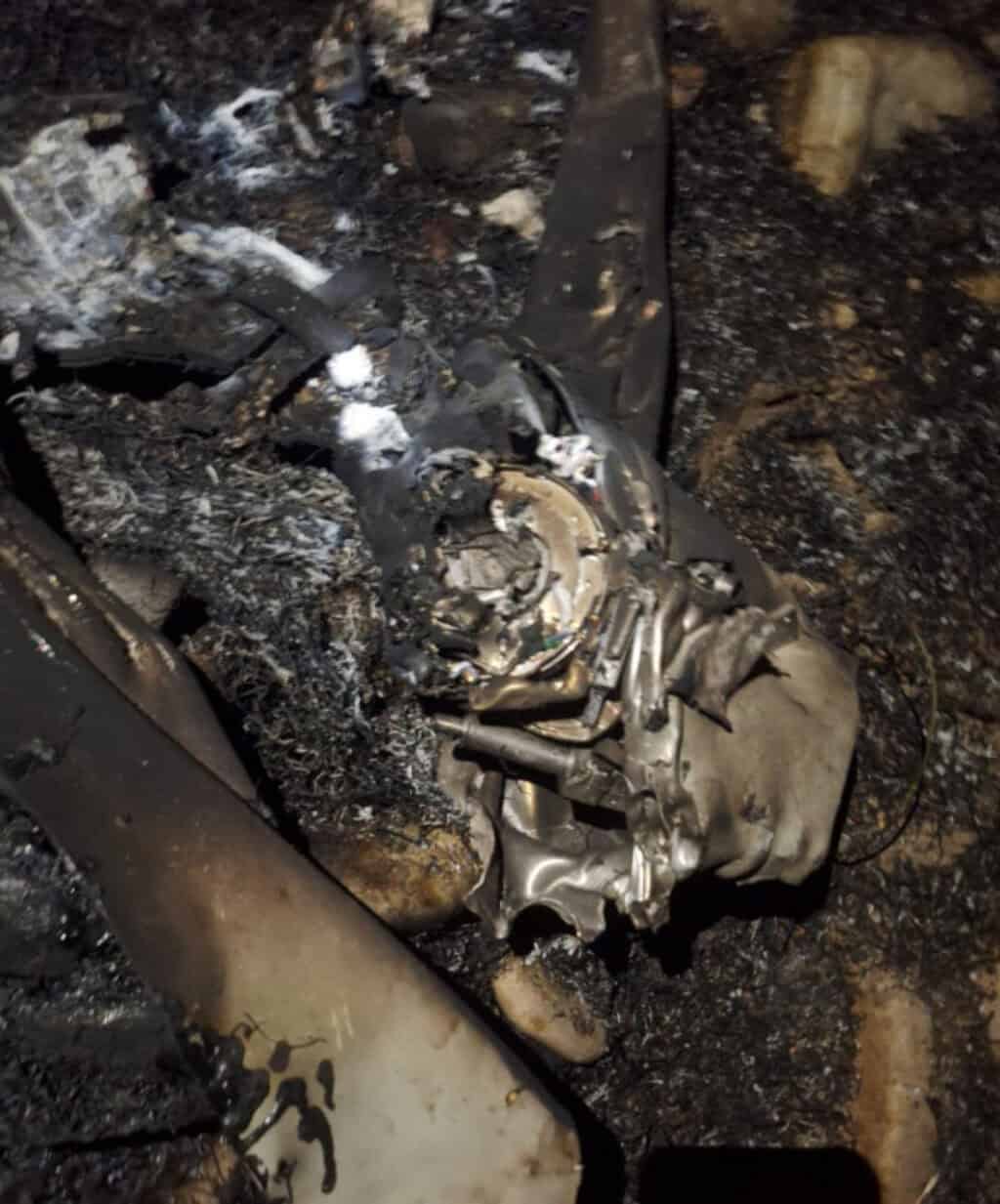
Iran carried out a new attack on a Kurdish Iranian opposition group in northern Iraq on the evening of May 25, one of several over the past weeks that Kurdish groups have blamed on Iran. Despite a ceasefire between the US and Iran in early April, Tehran has continued to attack the opposition groups. The attacks come as Iraq’s new prime minister, Ali al Zaidi, has signaled he would like to rein in armed groups in the country. Numerous Iranian-backed Iraqi Shiite militias have been behind hundreds of attacks on Kurdish groups, US forces, and other sites in Iraq.
The Kurdistan Freedom Party (PAK) said on May 26 that one of its facilities in the Kurdistan Region of Northern Iraq was targeted on May 25. PAK is one of six Kurdish Iranian opposition groups that joined a coalition in February and March 2026. Most of these organizations have been attacked by Iran and Iranian-backed militias in Iraq in the wake of the US and Israeli strikes on Iran that began on February 28, 2026.
“At 21:45 on Monday, May 25, 2026, the occupying Iranian state targeted the Peshmerga Command Center of the Kurdistan Regional Government with two drones and a guided missile. The facility, located in northern Erbil Governorate near the Darashakaran Camp, was hit, resulting in 9 Peshmerga wounded, 4 of whom are in critical condition,” the PAK posted on social media. The group said that one of its camps was also targeted on May 23 by four ballistic missiles and claimed that one of its bases was attacked on April 23.
The PAK and other Kurdish Iranian opposition groups maintain bases, camps, and other facilities in northern Iraq. Many Kurds from Iran fled to the Kurdistan Region of northern Iraq over the last four decades after the Islamic Revolution in Iran. Iran has pressured Iraq over the last several years to curtail the activities of the opposition groups and extradite their leaders.
The Kurdish Iranian Komala party has also been attacked in northern Iraq several times since the ceasefire. On May 23 and May 20, the group said in social media posts that its camps were targeted. It also said one of its camps was attacked on April 27. The Komala party has several branches, two of which are members of the wider Kurdish Iranian opposition coalition. One of the parties, the Komala Toilers of Kurdistan, said in early May that it had been targeted 70 times by Iran since February.
“According to Rudaw tracking until Thursday, the Kurdistan Region has endured approximately 855 drone and missile attacks since the outbreak of the Iran war, resulting in at least 20 deaths and nearly 130 injuries,” the Kurdish Rudaw Media Network noted on May 25. This total includes attacks on Kurdish Iranian groups and numerous attacks targeting US facilities and other sites in the Kurdistan Region.
As Iran continued attacks in northern Iraq, the prime minister of the Kurdistan Regional Government, Masrour Barzani, traveled to Baghdad to hold talks with Iraq’s prime minister on May 24. A security delegation is also supposed to visit Tehran to take part in an Iraq-Iran High Security Committee meeting, according to the London-based Asharq al Awsat. The meeting in Iran is expected to address the attacks on the Kurdistan Region.
Iraq’s prime minister has encouraged armed groups in the rest of the country to place their arms under the control of the government. This follows a decision by Shiite cleric Muqtada al Sadr to place his armed group, Saraya al Salam, under state control.
“The government of newly appointed Iraqi Prime Minister Ali al-Zaidi is moving toward bringing the arms of Iran-aligned armed groups in Iraq under state control, several officials from the ruling Shiite Coordination Framework, which backed Zaidi to [sic] office,” Rudaw reported on May 26. The comments by Zaidi did not appear to specifically reference the Iranian-backed Shiite militia groups by name, leaving it open for interpretation which armed groups might be included.
Reporting from Israel, Seth J. Frantzman is an adjunct fellow at FDD and a contributor to FDD’s Long War Journal. He is the senior Middle East correspondent and analyst at The Jerusalem Post, and author of The October 7 War: Israel's Battle for Security in Gaza (2024).
Tags: Iraq, Komala Party, Komala Toilers of Kurdistan, Kurdistan Region of Iraq, PMF, Shiite militias


